Managua is warm all year. What the dry and rainy seasons are like, and how to plan around heat and afternoon storms.
Two seasons
Like the rest of Nicaragua's Pacific side, Managua has two main seasons rather than four. Locals call the dry season verano (summer) and the rainy season invierno (winter), even though temperatures stay warm throughout. Roughly, the dry season runs from about November or December to April, and the rainy season from about May to October or November, with year-to-year variation.
The dry season
From December to February, days are sunny, skies are clear and evenings are pleasantly warm, often with a breeze. This is the most popular time to visit, with good views of the volcanoes and dry trails. From March to May the heat builds and these are usually the hottest months of the year; the countryside turns brown and dusty before the rains. Plan outdoor sightseeing for early morning and late afternoon, and rest in the middle of the day.
The rainy season
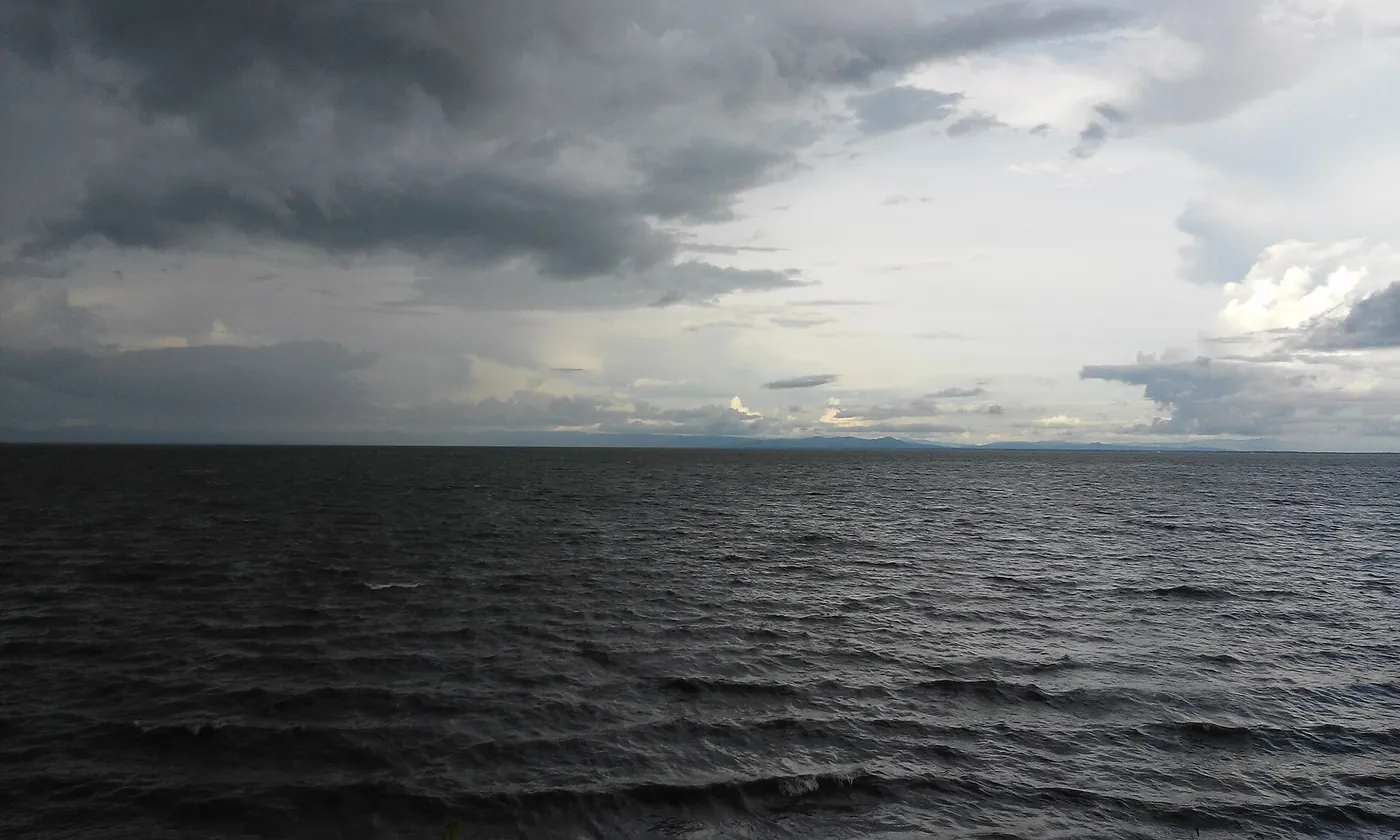
In the rainy season the landscape turns green quickly. A typical pattern is a bright morning followed by clouds building in the afternoon and a heavy downpour, often with thunder, before skies clear again in the evening. Rain can be intense and streets can flood briefly, so plan travel with time to spare. A drier spell in the middle of the rainy season, around July and August, is known as the canícula. September and October tend to be among the wettest months.
What to pack
Light, breathable clothing, a hat and high-factor sunscreen are essential all year. Add a compact umbrella or rain jacket in the rainy season, and a light layer for air-conditioned spaces and evenings in the hills. Comfortable shoes that dry quickly are useful. See practical visitor tips for more.
Choosing your dates
If you want clear skies and the volcano views, aim for the early dry season. If you prefer green landscapes and do not mind afternoon rain, the rainy season can be lovely. Check the festival calendar too, since some dates bring the city to life.