Eight places that explain Managua: its stage, its lakefront, its craters, its oldest traces of people, its ballpark, its markets and its modern cathedral, plus the volcano on the city's doorstep.
Each landmark page follows the same pattern: what the place is, the kind of events or activities it is known for, a short history, and practical notes for visiting. Facts are kept general on purpose. Opening times, programmes and access arrangements change, and none of these places is connected with this guide, so always confirm details locally before you go.
Managua is spread out and not designed for walking between districts, so most visitors combine two or three landmarks by taxi in a half-day. The old centre near the lake groups the Teatro Nacional, the Malecón and the museums; Tiscapa and the cathedral sit in the middle of the city; and Masaya Volcano is a separate half-day outing to the southeast.

Teatro Nacional Rubén Darío
The city's principal performing-arts house, named after Nicaragua's most celebrated poet and set near the lakefront in the old centre.
Área Monumental, southern shore of Lake Managua
Malecón de Managua
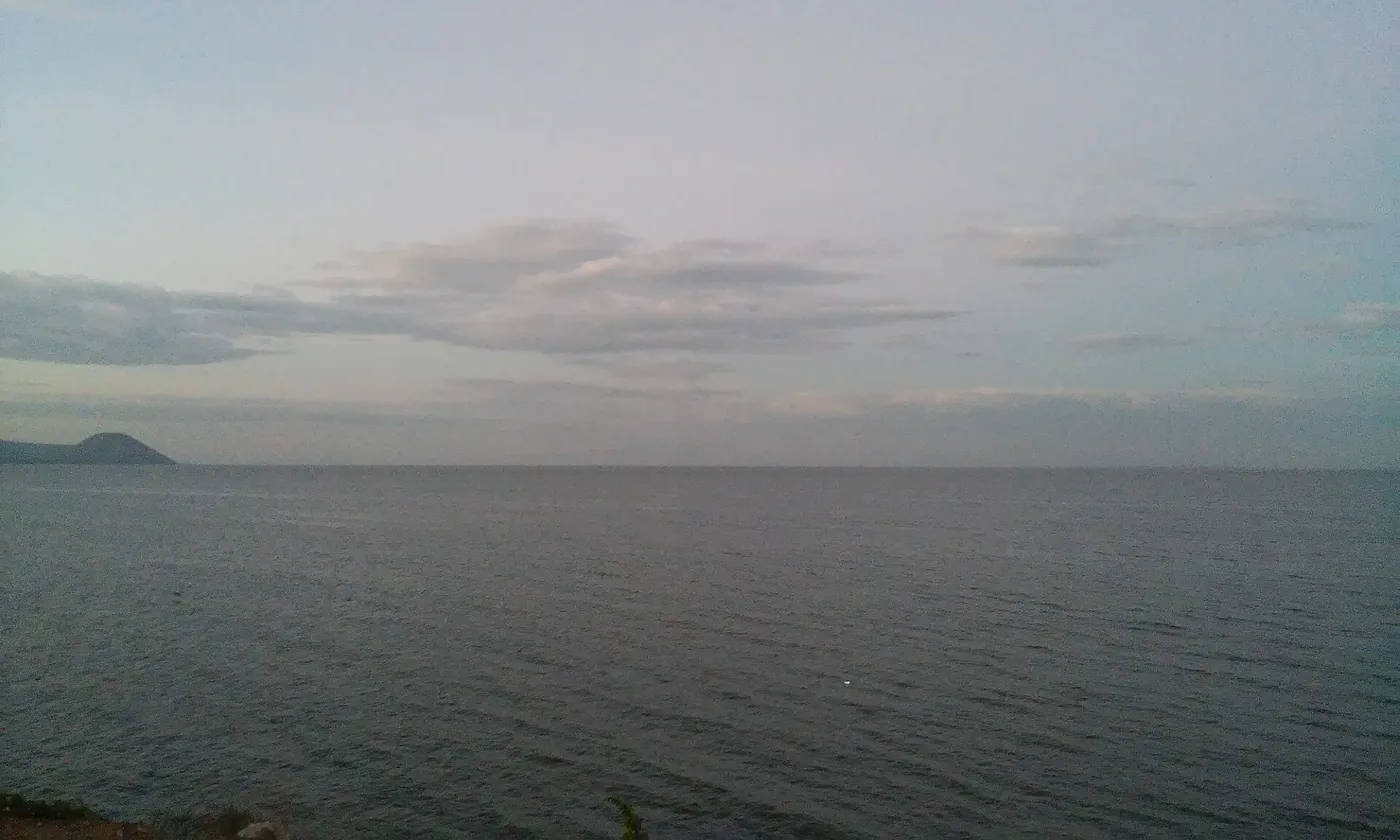
A wide waterfront walk on the southern shore of Lake Managua, with family parks, food stands, boat rides and long views across the water to the volcanoes.
Southern shore of Lake Managua (Xolotlán)
Laguna de Tiscapa
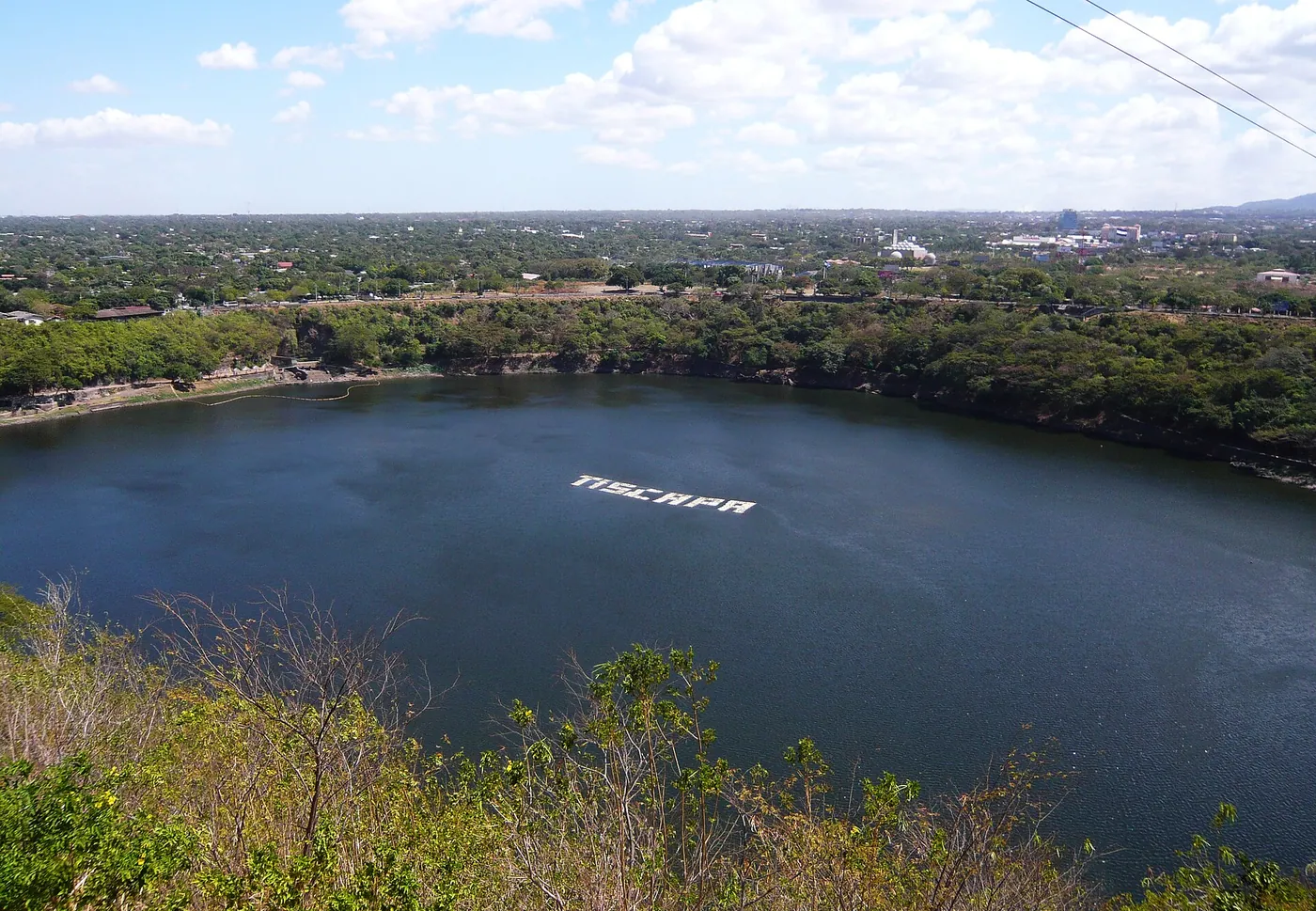
A small, round crater lake surrounded by green slopes, right in the heart of Managua, with a hilltop park and city views from the rim.
Central Managua, south of the old centre
Huellas de Acahualinca
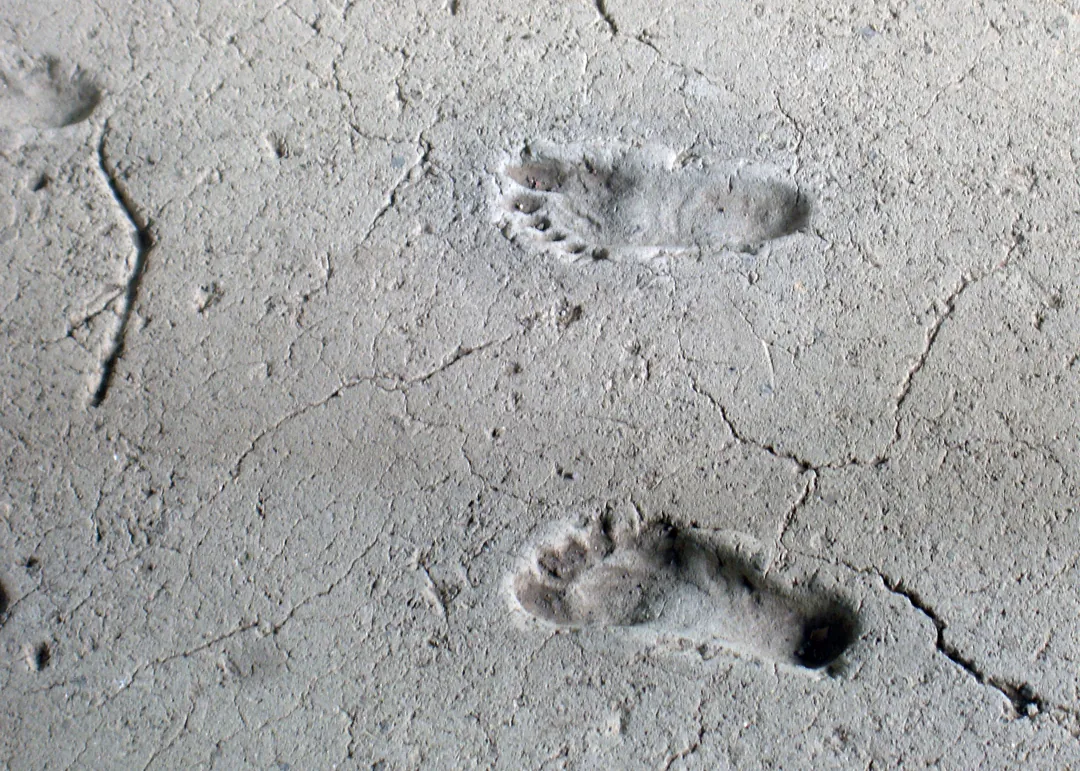
A small site museum protecting footprints left by people walking across soft volcanic ground roughly two thousand years ago.
Barrio Acahualinca, near the southern shore of Lake Managua
Estadio Nacional Soberanía
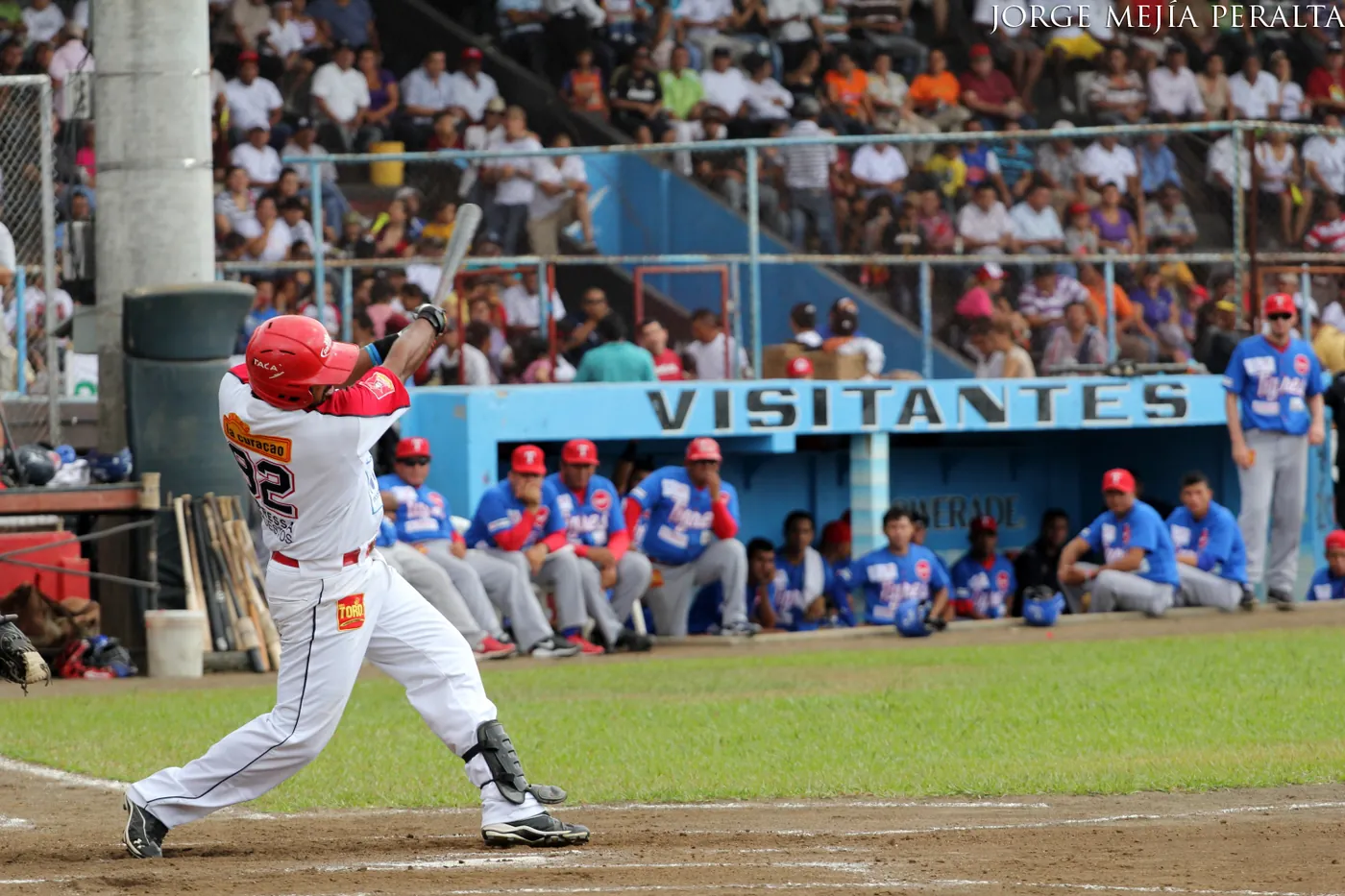
Managua's modern baseball stadium, where a night game is one of the most enjoyable ways to see the city at play.
Central Managua, beside the site of the previous national stadium
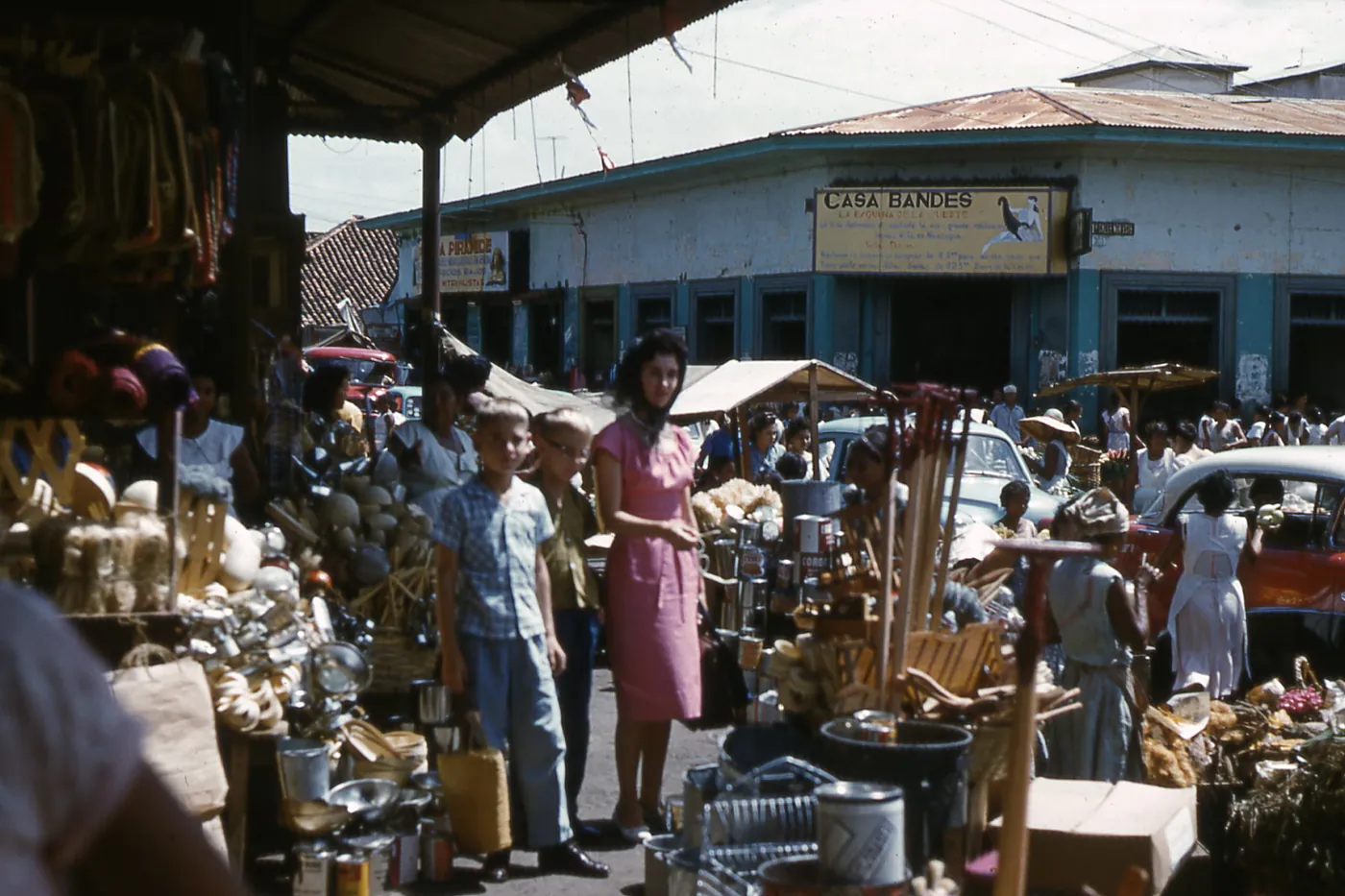
Mercado Roberto Huembes
One of Managua's big traditional markets, with an extensive artesanías section of hammocks, ceramics, leather and woodwork alongside everyday produce stalls.
Eastern-central Managua, beside a bus terminal for southern routes
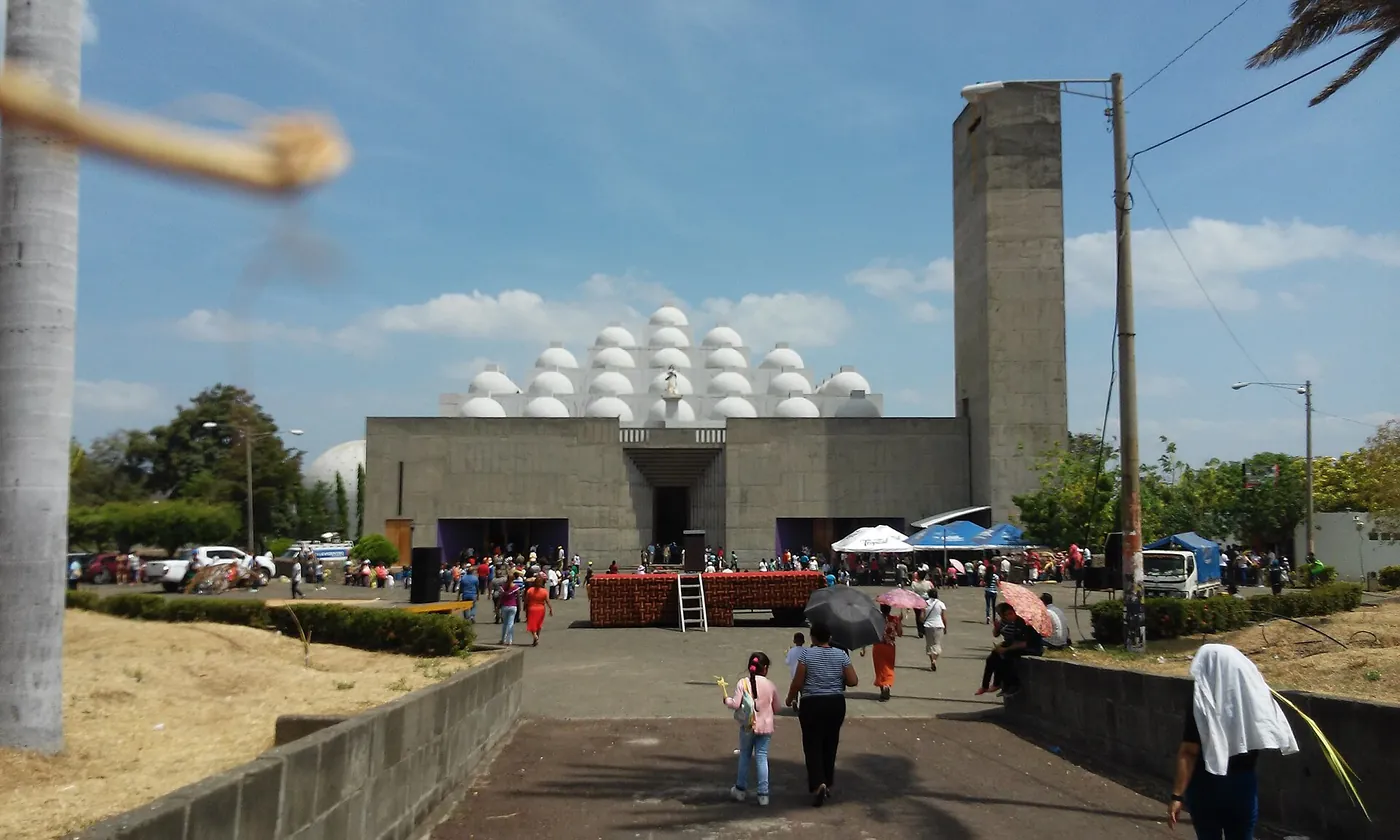
Catedral Metropolitana de Managua
Managua's modern cathedral, completed in the 1990s to a design by the Mexican architect Ricardo Legorreta, with a striking roof of many small domes.
Central Managua, near the Metrocentro area
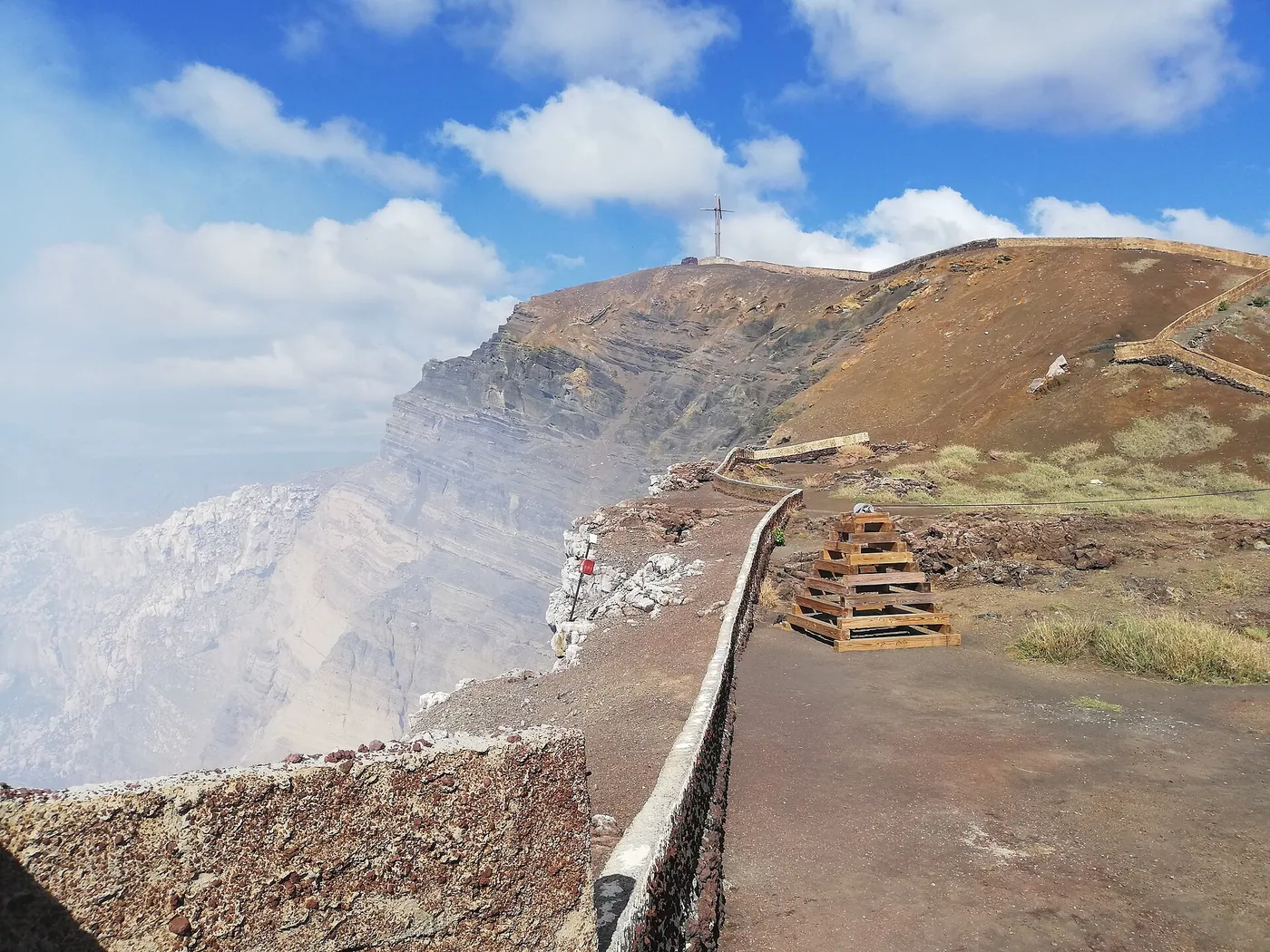
Masaya Volcano National Park
Nicaragua's first national park, where a road climbs to the rim of the active Santiago crater, less than an hour's drive southeast of the capital.
Off the Carretera a Masaya, southeast of Managua
Looking for more ideas beyond the city limits? The day trips section covers Laguna de Apoyo, Granada, the Masaya circuit and the crater lagoons of the Chiltepe peninsula.