A wide waterfront walk on the southern shore of Lake Managua, with family parks, food stands, boat rides and long views across the water to the volcanoes.
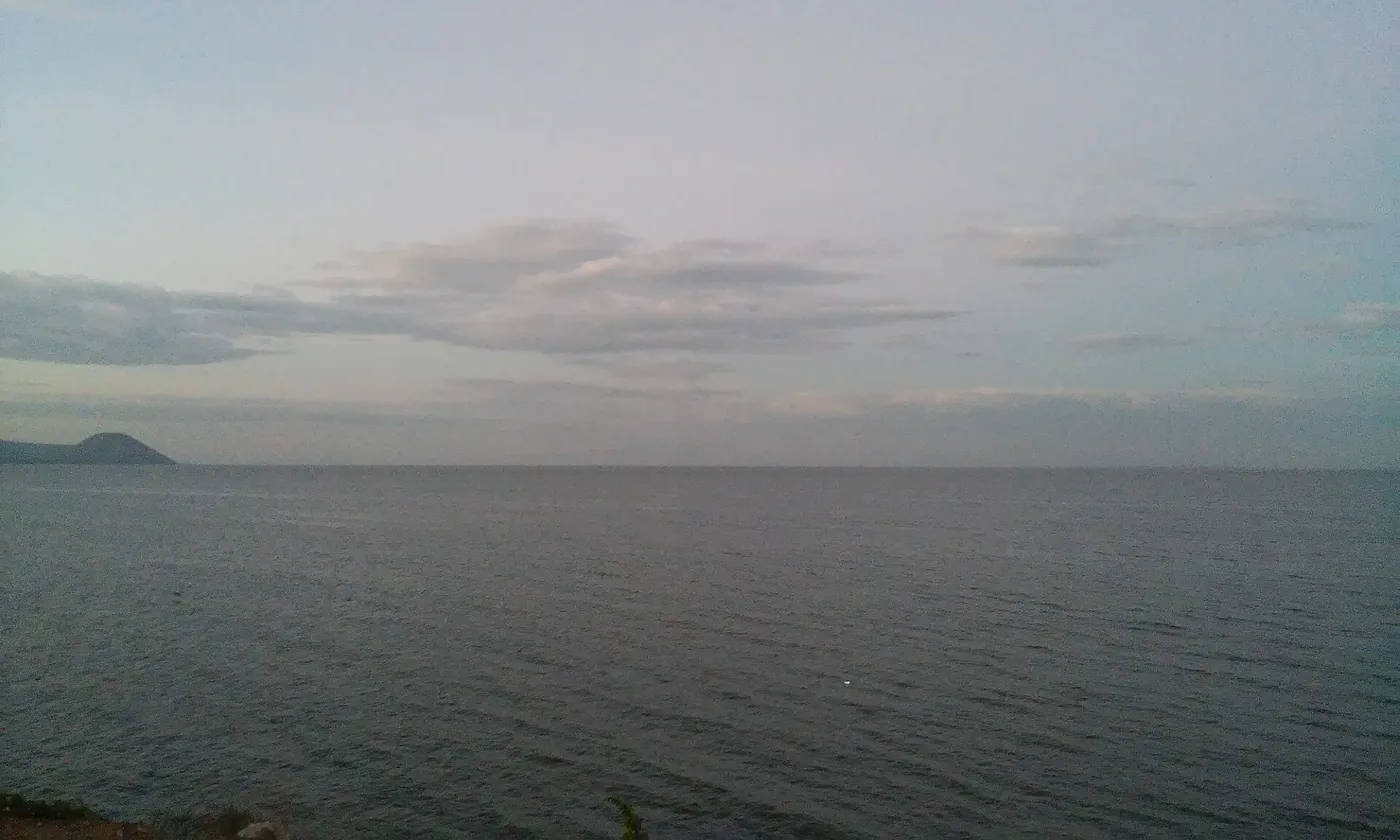
Southern shore of Lake Managua (Xolotlán)
| Type | Lakefront promenade and parks |
|---|---|
| Area | Old centre, north of the Área Monumental |
| Lake | Lake Managua, also called Xolotlán |
| Views | Momotombo volcano and the Chiltepe peninsula on clear days |
| Good for | Late-afternoon walks, families, photography |
What it is
Managua grew up along the southern shore of Lake Managua, which most Nicaraguans know by its Nahuatl-derived name, Xolotlán. The Malecón is the city's front porch onto that lake: a broad, open promenade with landscaped parks, viewpoints, play areas, food stands and a small port area where boats take visitors out on short trips. It is one of the easiest places in the city to understand Managua's geography, because from here you can see how the city sits between the water and the volcanic hills.
What happens here
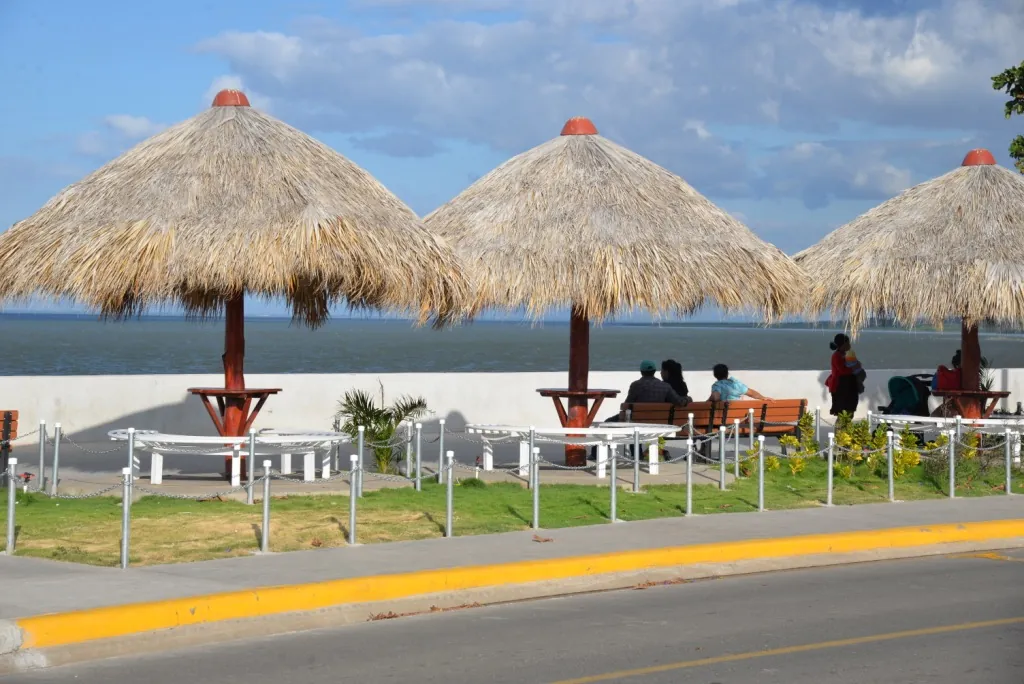
The Malecón is above all a place for paseos, the unhurried evening and weekend walks that families take when the heat eases. Expect children on bicycles, couples watching the sunset, vendors selling raspados (shaved ice with syrup), roasted corn and fruit, and music drifting from the food areas. Public celebrations and holiday gatherings are often held along the waterfront, so the atmosphere varies from quiet weekday mornings to lively weekend evenings.
A little background
The lake has been central to life in the region for thousands of years. The ancient footprints preserved at Huellas de Acahualinca, a short way west along the shore, were left by people walking toward the water long before Managua existed. The modern waterfront was redeveloped in stages after the 1972 earthquake left much of the old centre open ground, and the parks you see today are relatively recent. Lake Managua is not a swimming lake, so treat it as a view rather than a beach.
Visiting
Late afternoon is the best time: the light is softer, the breeze off the lake is welcome, and sunsets over the water can be striking. Bring water, a hat and sunscreen, because shade is limited in the middle of the day. On a clear day, look northwest for the near-perfect cone of Momotombo volcano and the small island of Momotombito. Boat trips and park facilities operate on their own schedules, so ask locally on the day. The Teatro Nacional and the old cathedral are close by.
Casa San Juan Guide is independent and is not affiliated with Malecón de Managua. Programmes, opening times and access arrangements change, so confirm details locally before you visit.