One of the oldest cities in the Americas founded by Europeans, with colourful streets, churches, a lakefront and boat trips around the isletas.
Why go
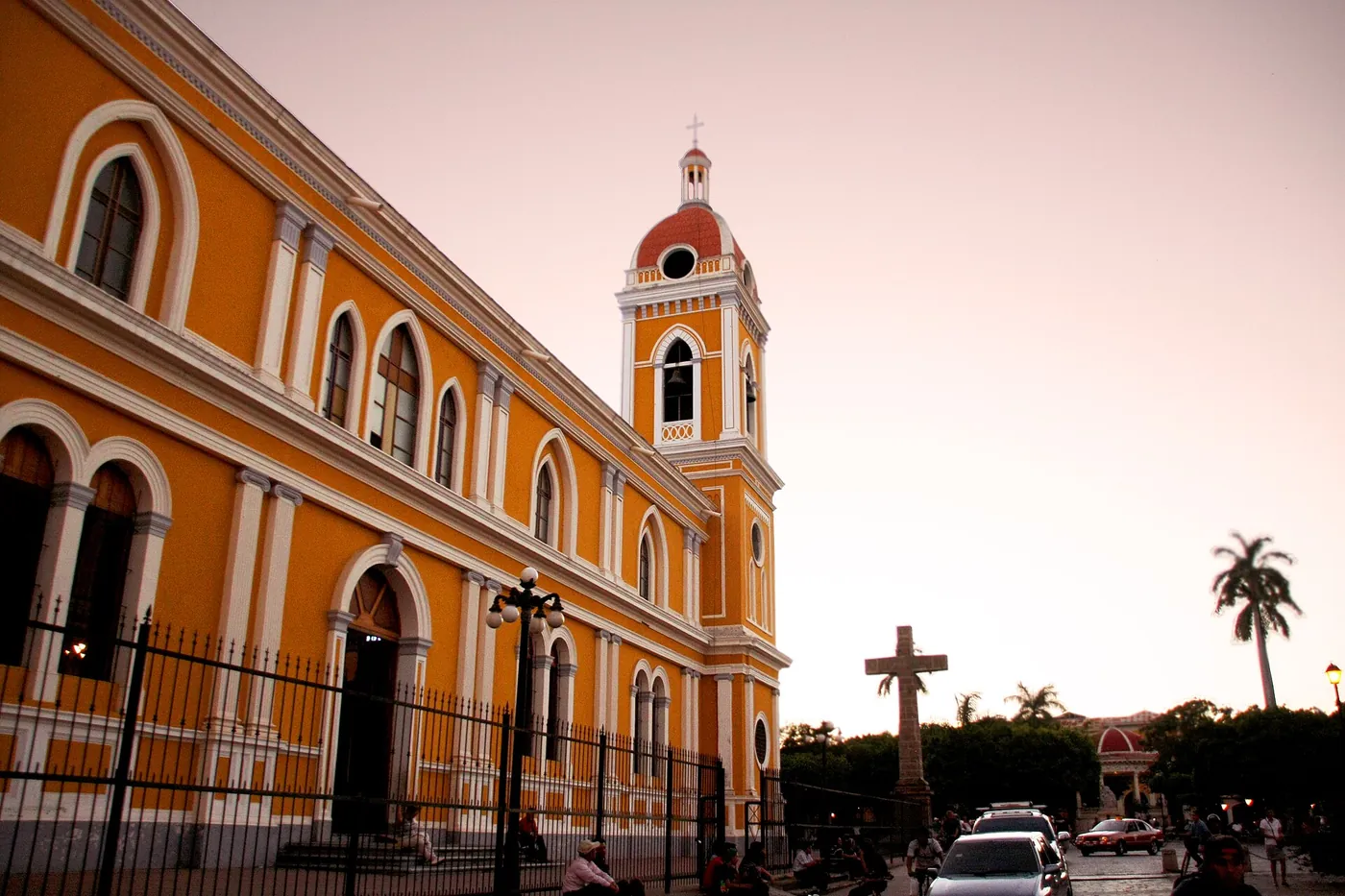
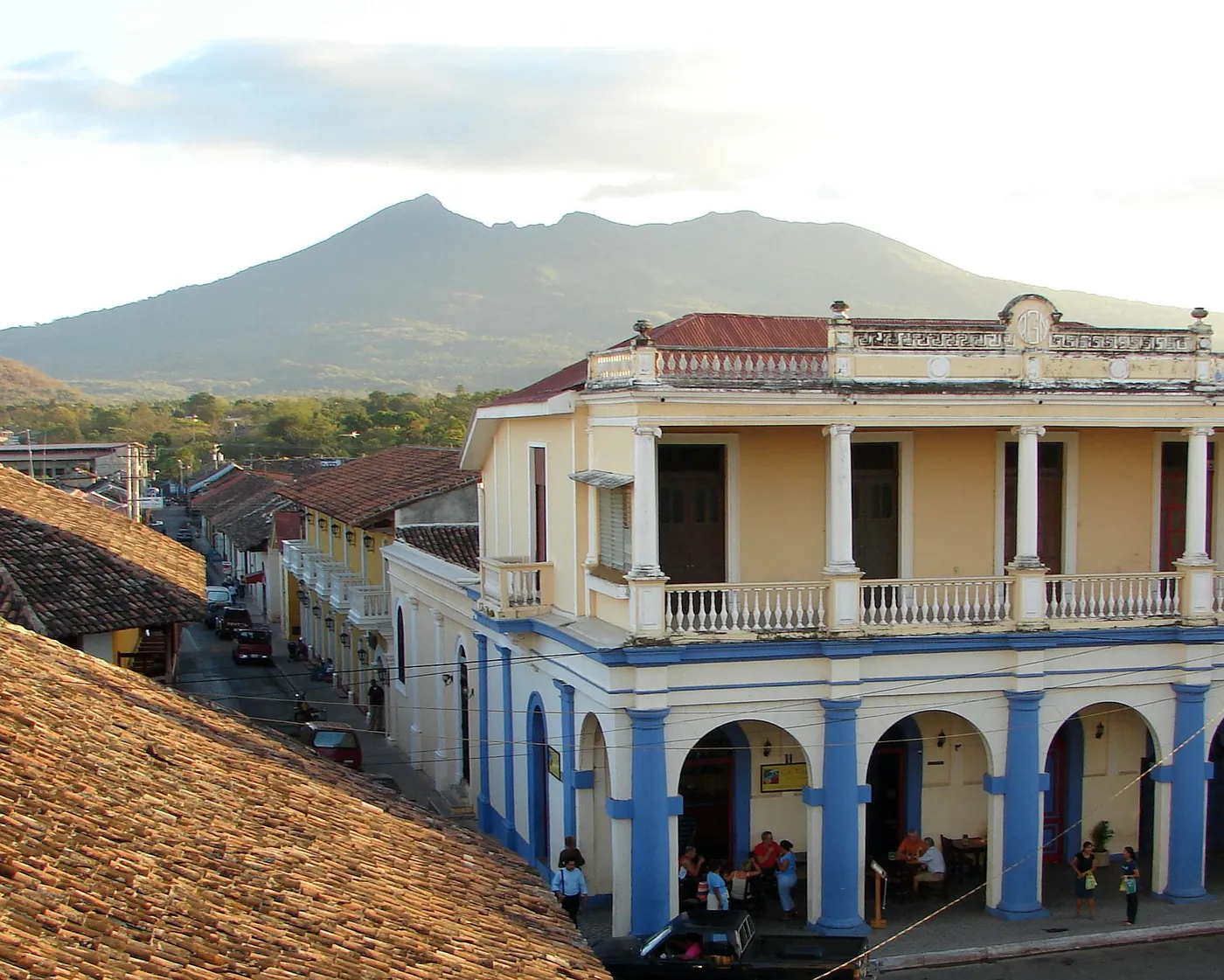
Granada, about an hour from Managua by road, lies on the northwestern shore of Lake Nicaragua, which locals call Cocibolca. Founded in 1524, it is among the oldest cities in the Americas established by Europeans, and its centre of colourful single-storey houses, churches and courtyards makes it the most visited town in the country. For many travellers it is a natural counterpart to Managua: compact, walkable and historic.
In the centre
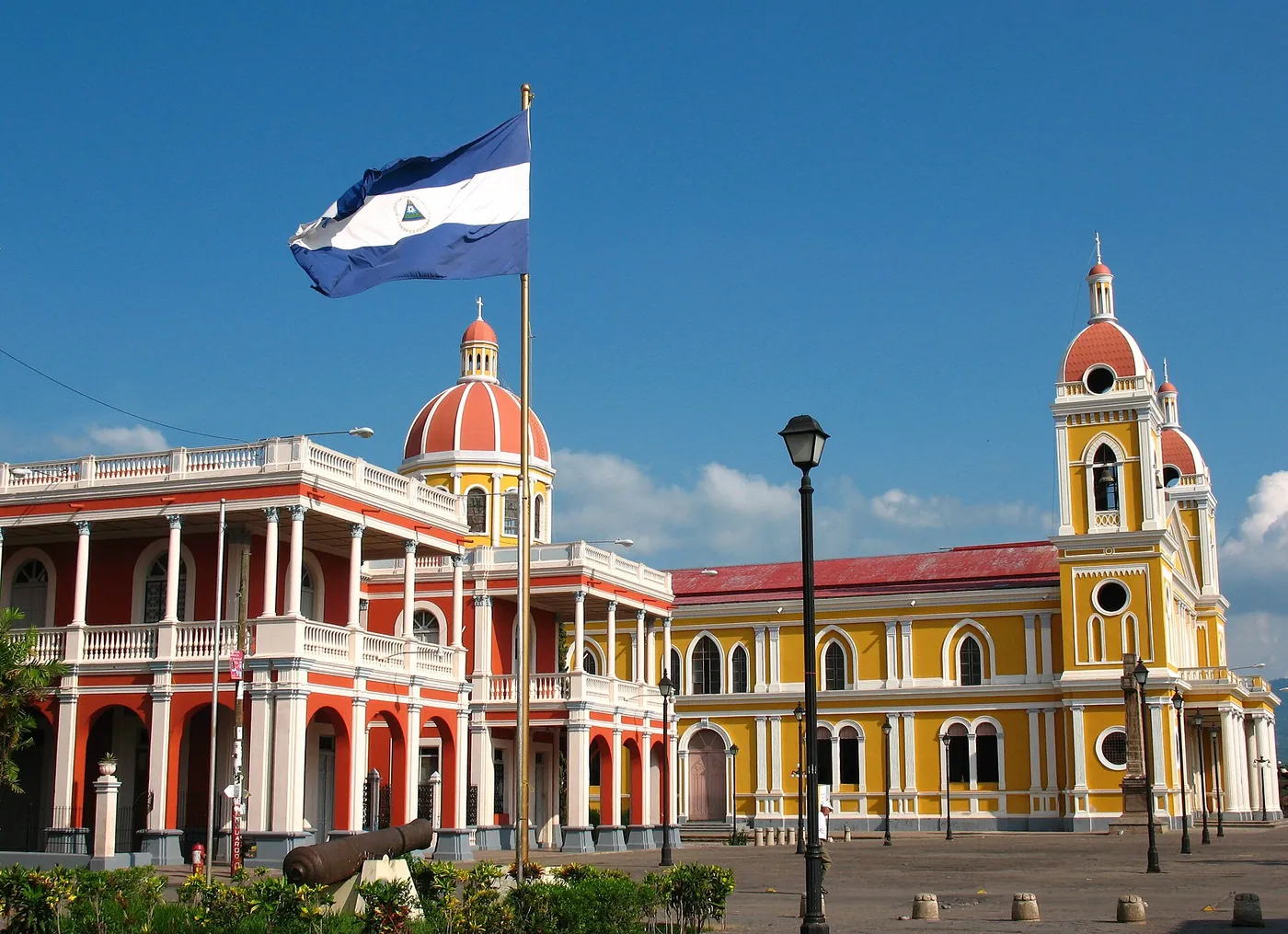
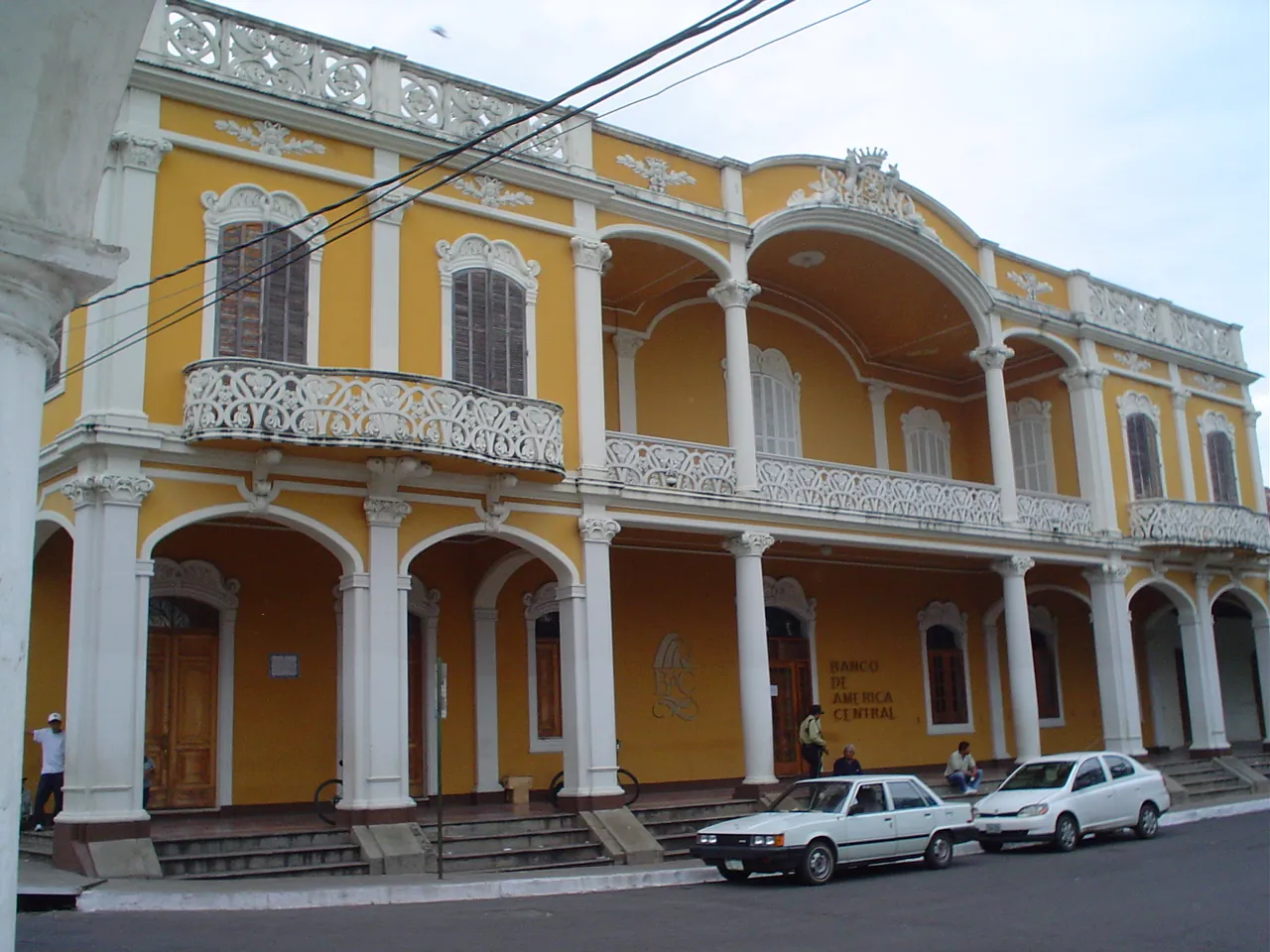
The Parque Central, with the yellow-and-white cathedral on one side, is the heart of the city. From there, Calle La Calzada runs down toward the lake, lined with restaurants and cafés and lively in the evenings. Churches such as La Merced, with views from its bell tower, and the San Francisco convent, which houses a museum with pre-Columbian stone statues, are among the main sights. The best way to see Granada is simply to walk its streets and look into courtyards.
The lake and the isletas
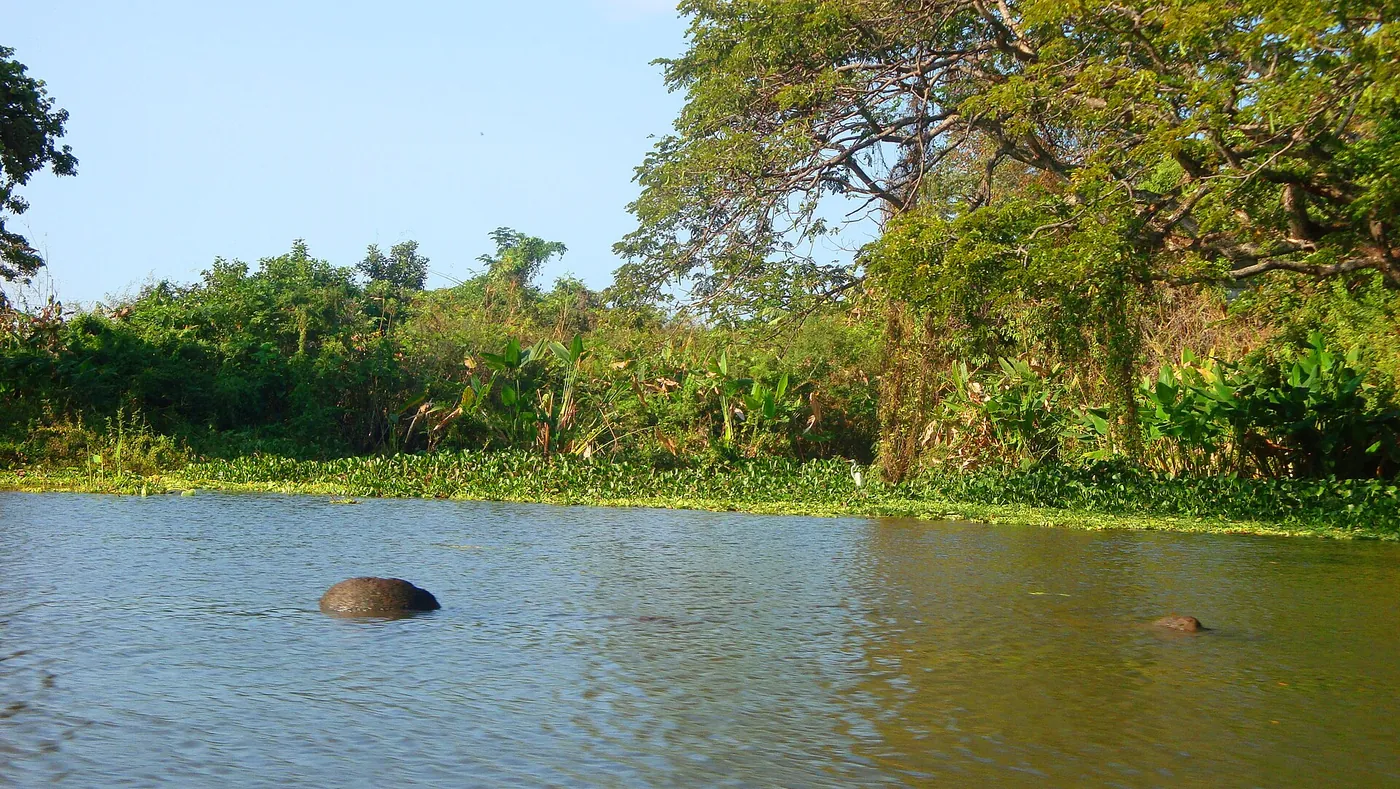
Just south of the city, boat trips weave through the isletas, a cluster of small islands formed by an ancient eruption of Mombacho volcano. Some are home to fishing families, others to homes and birds. The tours are relaxed and give a sense of the scale of Lake Nicaragua, the largest lake in Central America.
Mombacho
The cloud-forested Mombacho volcano rises south of Granada. Its upper slopes are a protected reserve with trails among orchids, mosses and ferns, and on clear days there are views across the lake and the isletas. Reaching the top is a separate half-day outing.
Practical notes
Microbuses run between Managua and Granada through the day; private transfers are faster and can include stops at Laguna de Apoyo or the Masaya area. Granada is hot at midday, so start early, pause in the afternoon and enjoy the evening on La Calzada. Taste the town's famous vigorón at the Parque Central.