The Chiltepe peninsula pushes into Lake Managua just northwest of the city, with two crater lagoons and views of Momotombo.
The lake
Lake Managua, or Xolotlán, is the second-largest lake in Nicaragua, connected to the larger Lake Nicaragua by the Tipitapa River. Managua lines its southern shore, and on clear days the view from the Malecón reaches the volcano chain to the northwest. The lake is not used for swimming near the city, but it frames the capital's landscape.
The Chiltepe peninsula
Northwest of the city, the Chiltepe peninsula juts into the lake. It is part of a volcanic complex and holds two crater lagoons: Laguna de Xiloá and Laguna de Apoyeque. The peninsula is a protected natural area, with dry forest and birdlife, and it feels a world away from the city traffic despite being close by.
Laguna de Xiloá
Xiloá is the more accessible of the two lagoons and has long been a weekend escape for Managua families, who come to swim, picnic and eat fried fish by the shore. It is busiest on weekends and holidays and quiet on weekdays. Its clear waters are also known for their native fish species, of interest to scientists.
Apoyeque
Laguna de Apoyeque sits inside a steep, forested crater and is reached on foot. Hikes to the rim are usually arranged with local guides; ask locally about current access and conditions, and carry plenty of water.
Momotombo and the volcano chain
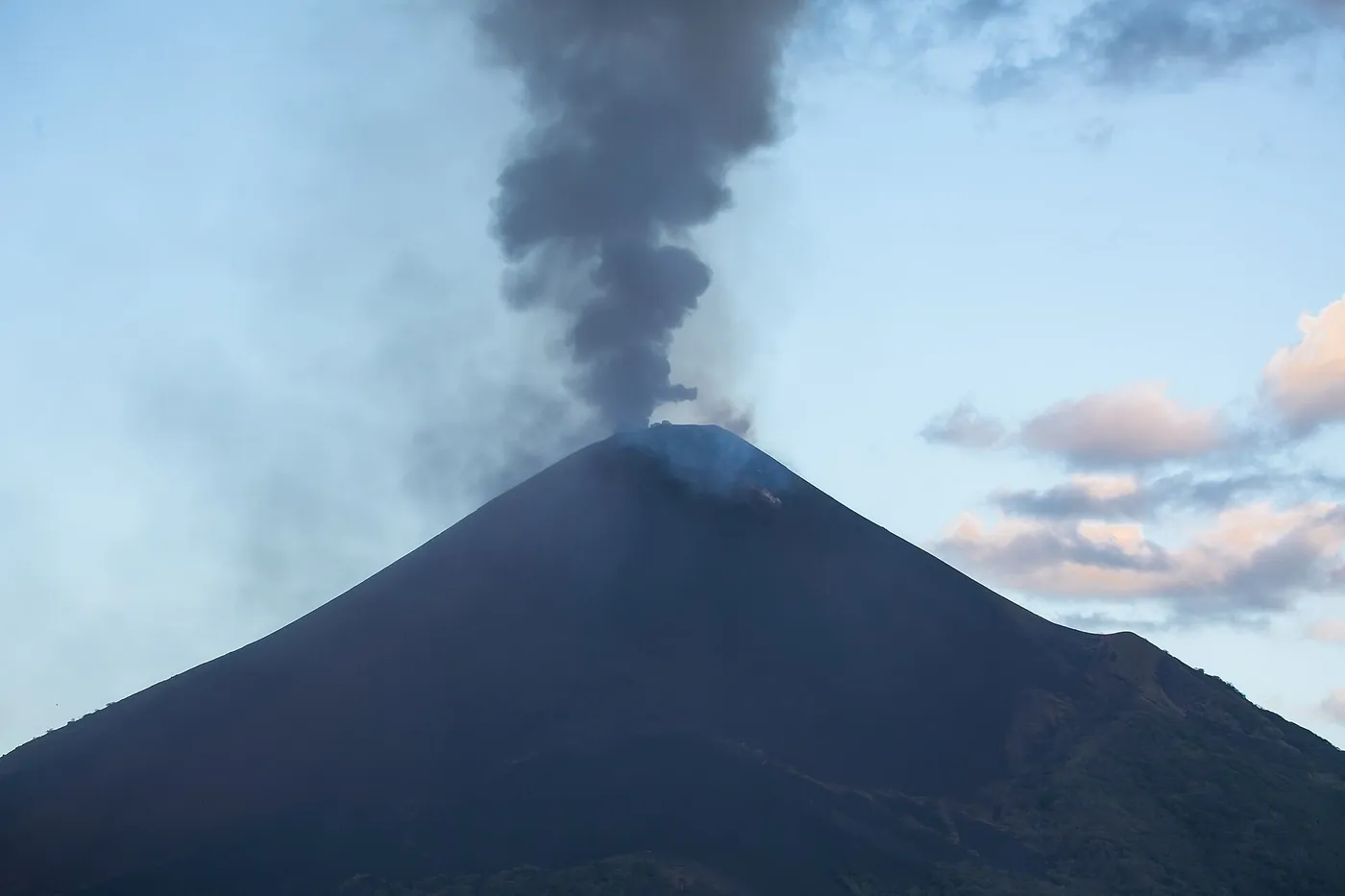
From the Chiltepe area and the western part of the city you can see Momotombo, a near-perfect cone at the northwestern end of the lake, with the small island volcano of Momotombito in front of it. They are part of the chain of volcanoes running along Nicaragua's Pacific side, and the view of Momotombo across the water is one of the classic images of the country. Compare with Managua's other crater lake, Tiscapa, and with Laguna de Apoyo.